Skylight Window Repair: Maintaining the Beauty and Functionality of Your Home
Skylights are a gorgeous and practical addition to any home, providing natural light, ventilation, and a connection to the outdoors. However, like any other part of a home, skylights require maintenance and periodic repair. Whether due to age, weather damage, or use and tear, skylight repairs can range from minor modifications to substantial replacements. This post supplies a detailed guide to skylight window repair, assisting homeowners understand typical issues, the repair procedure, and how to extend the life expectancy of their skylights.
Comprehending Skylight Windows
Skylights are windows set up in the roofing system or ceiling of a structure, developed to let in natural light and, in some cases, provide ventilation. They are available in different shapes and sizes, consisting of flat, dome, and pyramid, and can be made from materials such as glass, acrylic, or polycarbonate. Effectively installed and preserved skylights can improve the visual and energy performance of a home, however they are subject to distinct challenges due to their direct exposure to the aspects.
Typical Skylight Issues
Leaks and Water Damage
- Causes: Improper setup, harmed seals, broken glass, or shabby flashing.
- Signs: Water discolorations on the ceiling, dampness around the skylight, or visible water leak throughout rain.
Cracked or Broken Glass
- Causes: Impact from falling items, hail, or severe temperature changes.
- Signs: Visible fractures or breaks in the glass.
Mold and Mildew Growth
- Causes: Moisture buildup, bad ventilation, or condensation.
- Symptoms: Dark areas or a moldy odor around the skylight.
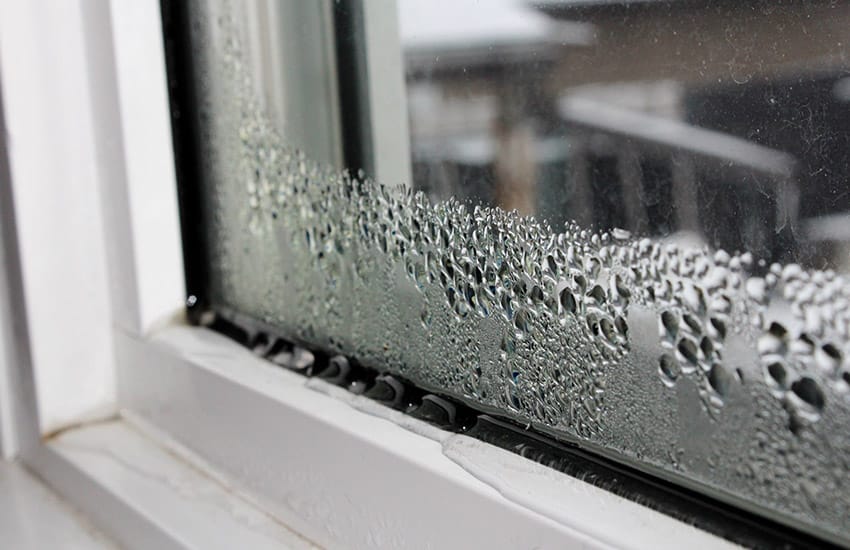
Misting and Condensation
- Causes: Improper seals, high humidity, or temperature level differentials.
- Symptoms: Foggy glass, moisture droplets, or a consistent haze.
Operational Problems
- Causes: Worn or damaged parts, lack of lubrication, or debris in the mechanism.
- Symptoms: Difficulty in opening or closing the skylight, or it might not open at all.
Structural Damage
- Causes: Aging, bad setup, or severe weather.
- Symptoms: Sagging frames, loose screws, or gaps where the skylight meets the roofing.
Steps to Repair a Skylight
Identify the Issue
- Visual Inspection: Check for visible indications of damage, such as fractures, leakages, or mold.
- Functional Testing: Test the skylight's operation by opening and closing it.
Gather Necessary Tools and Materials
- Tools: Screwdrivers, caulk gun, silicone sealant, putty knife, shatterproof glass, and gloves.
- Products: Replacement glass, flashing, caulk, sealant, and lube.
Security First
- Work Area: Ensure the work location is safe by clearing any challenges and using proper scaffolding or ladders.
- Personal Protection: Wear security glasses and gloves to protect versus glass shards and chemical irritants.
Fixing Leaks
- Sealant Application: Clean the area around the skylight and apply a silicone sealant or caulk to any gaps or fractures.
- Flashing Replacement: If the flashing (the metal strips that direct water far from the skylight) is harmed, replace it with brand-new flashing.
Replacing Cracked or Broken Glass
- Eliminate the Old Glass: Carefully get rid of the broken glass utilizing a putty knife and screwdrivers.
- Install New Glass: Place the new glass in the frame, protecting it with clips or screws, and use a new sealant around the edges.
Getting Rid Of Mold and Mildew
- Cleaning Solution: Use a mix of water and bleach or a commercial mold cleaner to clean up the affected areas.
- Ventilation Improvement: Ensure correct ventilation to avoid future mold development.
Addressing Fogging and Condensation
- Seal Replacement: Replace the seals around the glass to prevent moisture from entering.
- Desiccant Packs: Insert desiccant packs (wetness absorbers) into the skylight frame to decrease condensation.
Repairing Operational Problems
- Lubrication: Apply a lube to the moving parts of the skylight to guarantee smooth operation.
- Mechanical Repair: Replace any worn or broken parts, such as hinges or manages.
Preventive Maintenance
Routine Cleaning
- ** Exterior: ** Clean the exterior of the skylight to get rid of dirt, leaves, and debris.
- Interior: Clean the interior to avoid dust buildup and ensure clear exposure.
Examine Seals and Gaskets
- Examine Regularly: Check the seals and gaskets for signs of wear or damage.
- Replace as Needed: Replace any seals that are cracked, worn, or no longer efficient.
Check Flashing
- Yearly: Inspect the flashing around the skylight to ensure it is firmly in location and not harmed.
- Repair or Replace: Fix any loose or damaged flashing to avoid water seepage.
Lubricate Moving Parts
- Annually: Lubricate the hinges and other moving parts to ensure smooth operation.
- Use Appropriate Lubricant: Choose a lubricant that is ideal for the material of the skylight.
Check for Structural Integrity
- Bi-Annually: Inspect the frame and structure of the skylight for indications of sagging or loosening.
- Tighten up or Repair: Tighten any loose screws or bolts, and repair any structural issues.
FAQs About Skylight Repair
How typically should I inspect my skylight?
- It is suggested to inspect your skylight a minimum of once a year, and more often if you live in an area with severe weather.
Can I repair a skylight leakage myself?
- Small leakages can often be repaired with sealant, but if the leakage is extreme or you are uneasy with the job, it is best to consult an expert.
What should I do if I discover mold or mildew around my skylight?
- Tidy the affected areas with a mold-removing option and enhance ventilation to prevent future growth. If the mold is substantial, think about seeking advice from a professional.
How do I prevent condensation in my skylight?
- Make sure correct ventilation, use a dehumidifier if essential, and replace any damaged seals to lower moisture buildup.
Can I replace the glass in my skylight myself?
- While it is possible to replace the glass yourself, it is a delicate task that needs careful handling. If you are not positive in your capabilities, it is suggested to work with a professional.
What is the life expectancy of a skylight?
- The lifespan of a skylight can vary depending upon the material and quality of setup, but generally, they last between 10 to 20 years.
Skylights are an important feature in many homes, but they require routine maintenance and periodic repairs to work correctly and maintain their beauty. By understanding typical issues and following the actions described in this guide, homeowners can deal with most skylight problems successfully. window frame repair and preventive upkeep are key to extending the life expectancy of a skylight and guaranteeing it continues to offer natural light and ventilation for many years to come.
If you encounter a complicated problem or are uncertain about the repair process, it is constantly best to seek advice from an expert. A skilled professional can identify and repair even the most tough skylight problems, ensuring your home remains comfy, safe, and energy-efficient.
By putting in the time to take care of your skylight, you can enjoy its advantages without the hassle of frequent repairs or replacements. Whether you select to deal with repairs yourself or seek expert aid, maintaining your skylight is a vital part of own a home.